Insight
Navigating Uncertainty: A ‘Watch and Act’ Approach to Potential U.S. Tariffs on Australian Agriculture
Sectors:
Agribusiness, Red Meat
Industries:
International Trade & Market Access
By Patrick Hutchinson, Gibraltar Strategic Advisory & Stephen Sothmann, DTB AgriTrade LLP
Australia Faces a Trade Crossroads – Preparation, Not Panic
Amidst widespread speculation regarding the Trump administration’s next moves on tariffs and trade, the reality is that no one knows exactly what will happen next. In such times, Australia’s agricultural sector should adopt a ‘Watch and Act’ stance—a term from our bushfire warning system that emphasises urgent preparedness without undue alarm. This approach calls for heightened readiness to act efficiently, when necessary, without making hasty decisions.
Recent developments highlight the need for vigilance. The Trump administration has ruled out an exemption for Australian steel and aluminium from U.S. tariffs, signalling a more aggressive stance on trade. While this decision does not directly impact agriculture, it raises concerns about broader trade policies that could affect Australian exports. Rather than overreacting, Australia’s agricultural sector should remain proactive in securing its position within the U.S. market.
Understanding the Situation: What We Know & What We Don’t
The Current Landscape
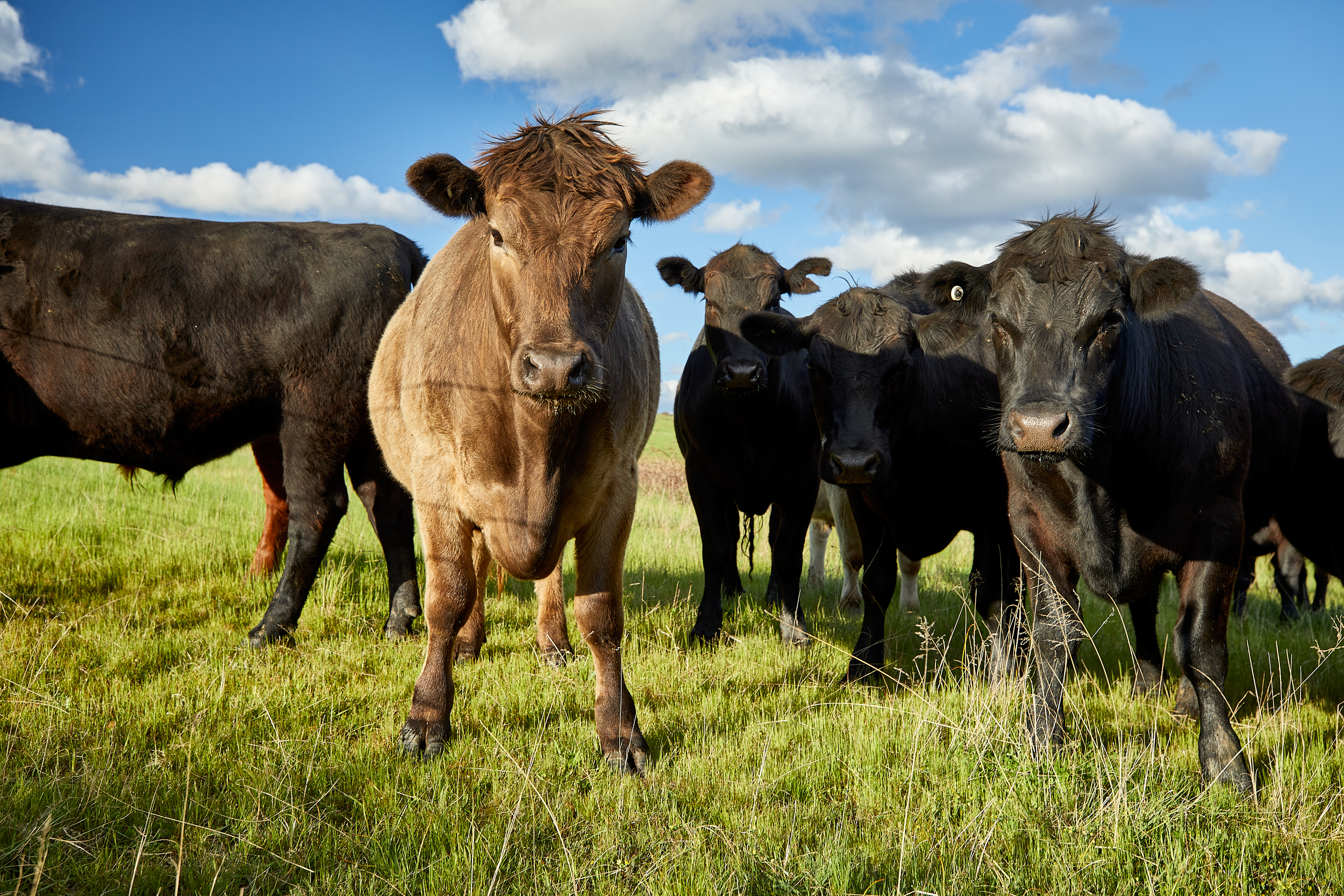
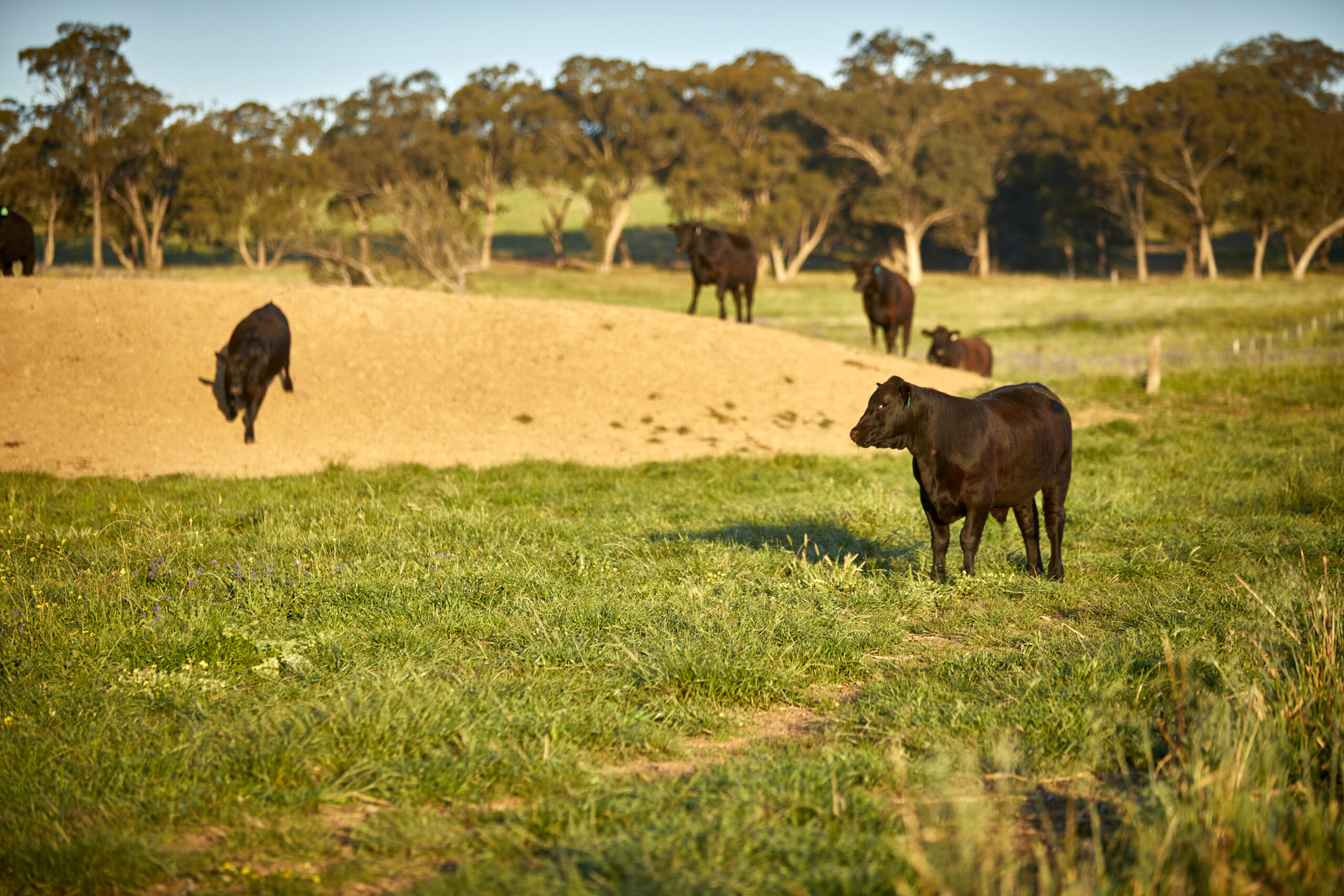
- The U.S. remains Australia’s largest beef export market, accounting for 30% of total beef exports in 2024. American cattle inventories are at historic lows, leading to a continued reliance on imported Australian beef.
- Discussions about potential tariffs have sparked concern, but no concrete policies have been enacted yet.
- Industry commentary has highlighted potential losses of $415 million annually if tariffs materialise. While this is a real concern, overreaction can be just as dangerous as inaction.
Stephen Sothmann advises: “We are dealing with a fluid situation that requires steady-handed planning. Rather than reacting to speculation, Australian exporters should focus on scenario preparation and industry coordination.”
The Political Reality: Will AUSFTA Hold?
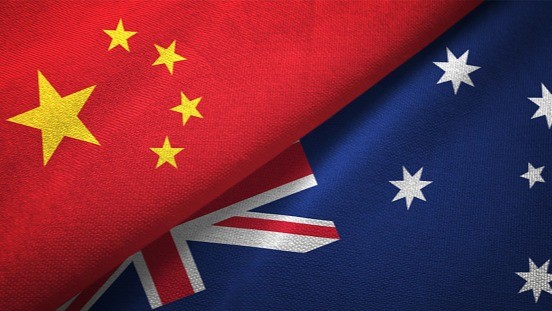
- The Australia–United States Free Trade Agreement (AUSFTA) was designed to prevent such disruptions, but the current administration’s protectionist stance raises questions about its future application.
- Australia must proactively engage with the United States Trade Representative (USTR) and key U.S. policymakers to seek clarity on our standing within the agreement before any tariffs are formalised.
- This is not about lobbying after the fact; it is about securing pre-emptive positioning in case trade measures evolve.
Patrick Hutchinson, with extensive experience in navigating trade disputes, emphasises: “Hoping current US policy makers will ‘do the right thing’ is not a trade strategy. We need to actively ensure that Australia remains central to the U.S. food security framework.”
Strategic Response: A Policy-Driven Approach
Rather than reacting to every new headline, Australian industry and government must remain focused on three key areas:
Government & Trade Mobilisation
- Engagement with USTR, DFAT & AmCham: Secure direct discussions for potential bipartisan U.S. political support from policymakers (if available), but almost certainly with industry groups that benefit from Australian imports. Australia’s continued tariff-free access under AUSFTA must be central to discussions if Australia can have those discussions at all.
- Coalition-Building with Key Trade Partners: Look at the opportunity to discuss with Canada, Mexico, and other impacted nations the impact of this policy and investigate a possible unified trade position.
- Leverage U.S. Supply Chain Realities: Engage with U.S. importers, processors, and retailers who rely on Australian beef to highlight the unintended consequences of trade barriers. Discussions should look further than Australia’s economic impact, potentially in other areas (thoroughly researched with empirical evidence to support claims) such U.S. food inflation and availability.
Industry Strategy: Strengthening Australia’s Trade Position
- Underpin Trade Relationships: While the U.S. is a key market, Southeast Asia, the Middle East, and the European Union offer opportunities to place product if, and we only mean if, Australian product becomes harder to market if U.S. trade conditions shift.
- Improve Cold Storage & Logistics Capacity: Expanding storage and supply chain resilience ensures Australia can better manage trade fluctuations without destabilising exports.
Policy Messaging & Public Narrative
- Australia Must Drive the Trade Narrative: Industry and government must work together to ensure that Australia’s role in U.S. trade is clearly articulated in both public and diplomatic discussions. The media framing should not be “Australia in crisis” but rather “Australia is prepared for any scenario.”
- Mobilise Industry & Government for a Unified Strategy: Australian agricultural leaders must engage directly with Canberra and Washington to ensure Australia’s position remains strong. A potential trade delegation to Washington is one scenario, to reinforce Australia’s position within U.S. food supply chains.
- Ensure Australia is Seen as a Reliable Partner: The U.S. agricultural industry needs secure, high-quality imports. Australia must highlight that it remains the best-positioned supplier, tariff or not.
A Strategic, Measured Approach
Uncertainty will persist, but reacting without strategy is a risk. The latest developments in U.S. trade policy reinforce the need for Australia to remain engaged, adaptive, and focused on securing its long-term trade interests. Rather than panic, Australian industry and government must continue to position themselves strategically in anticipation of any potential shifts in U.S. trade policy.