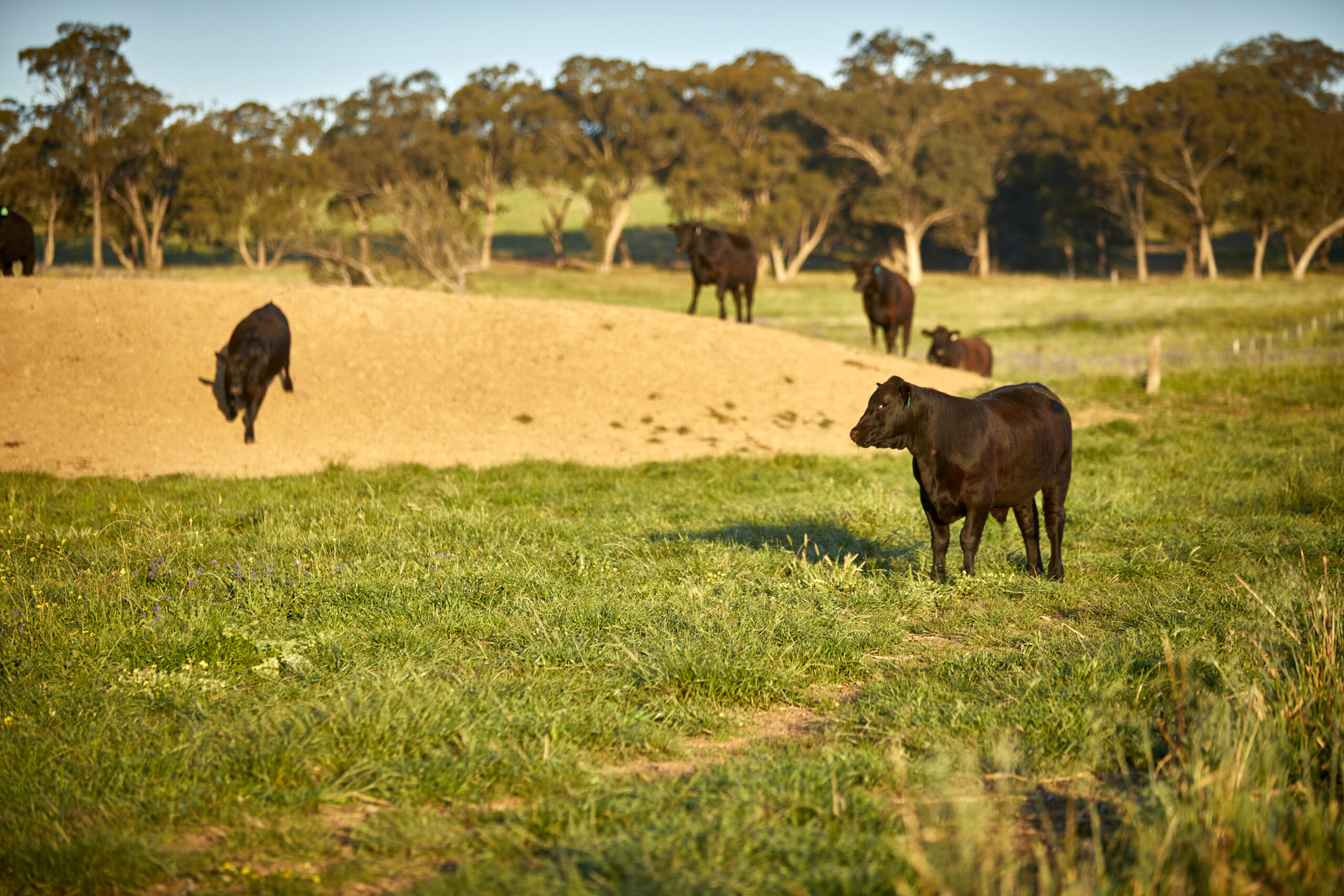
Australia's agribusiness sector should adopt a 'Watch and Act' strategy against potential U.S. trade tariffs to secure its position in the U.S. market instead of over-reacting.
30 October 2025




By Patrick Hutchinson (Director, Gibraltar Strategic Advisory) & Vaughn Barber (Director, Arafura Strategic Advisory)
Australia’s agricultural exports to China, valued at over A$15 billion annually, remain critical for our national economy. Despite geopolitical uncertainties, China’s demand for high-quality Australian produce—ranging from premium meats and seafood to horticultural products, dairy, and wines—continues to rise. Yet, the landscape Australian businesses must navigate to access and thrive in these markets has grown increasingly complex.
Recent months have underscored how fluid and fast-moving global trade can be. From shifting political landscapes and supply chain disruptions to escalating sustainability demands, the rulebook for agribusiness is being rewritten. These dynamics demand more than traditional trade approaches—they require agile partnerships, new capabilities, and market-specific insight.
“We’re seeing a redefinition of what trade support actually looks like,” says Patrick Hutchinson, Director of Gibraltar Strategic Advisory (GSA). “It’s no longer just about market access—it’s about understanding the policy, the people, the supply chain, and the technology behind every decision.”
Australia’s agribusiness sector is well placed to lead in this new era, but doing so requires a strategic recalibration. The GSA model has been evolving in real time: beginning with a formal collaboration with DTB AgriTrade in the United States and now expanding into China through a new partnership with Arafura Strategic Advisory (ASA).
“Our partnership model reflects the world we’re advising into,” Hutchinson explains. “You need local insight and global strategy working hand-in-hand—and that’s exactly what we’re building with ASA. First the U.S., now China. Each step adds capability, and more importantly, relevance.”
Together, GSA and ASA bring a combination of deep in-market experience, international trade policy expertise, and on-the-ground commercial insight to support Australian agribusinesses seeking sustainable success in China.
“There’s a great deal of discussion about the risks of doing business in China,” says Vaughn Barber, Director of ASA. “But much less is said about the risks of not being there —or of stepping back from one of the world’s most dynamic and fast-evolving agricultural markets. What we’re offering is a strategic lens to help Australian agribusinesses engage with clarity and purpose—not only when conditions are favourable, but when judgement, timing, and positioning matter most.”
Central to that engagement are several non-negotiables for success:
“We’re not just observers of the trade landscape, we’re shaping it through partnerships, influence, and action,” Hutchinson adds. “That’s why our collaboration with ASA is so important.”
The launch of the ACBC AgriTrade Forum, chaired by Patrick Hutchinson, further reflects this momentum. The forum aims to foster practical, high-value dialogue between business, government, and industry on how to responsibly and profitably engage with China’s agricultural markets.
“The Forum is not about diplomacy or theory, it’s about real issues, real trade, and real opportunity,” Hutchinson notes. “We need to be honest about the risks, but also clear-eyed about what’s at stake if we step back.”
“This is a pivotal moment,” Barber concludes. “Australia’s reputation as a high-quality, reliable supplier gives us a strong foundation—but maintaining that edge in a fast-evolving China market means doubling down on insight, sustainability, and value-chain innovation.
It takes more than just being high-quality. Staying competitive in China requires continual adaptation and leadership in areas that matter most to Chinese buyers and regulators.”
The road ahead won’t be simple—but with strategic alignment, deep insight, and the right partnerships, it can be successful.
We invite you to connect, contribute, and collaborate as we build a new model for Australia-China agribusiness engagement one grounded in trust, strategy, and forward thinking.
Australia's agribusiness sector should adopt a 'Watch and Act' strategy against potential U.S. trade tariffs to secure its position in the U.S. market instead of over-reacting.
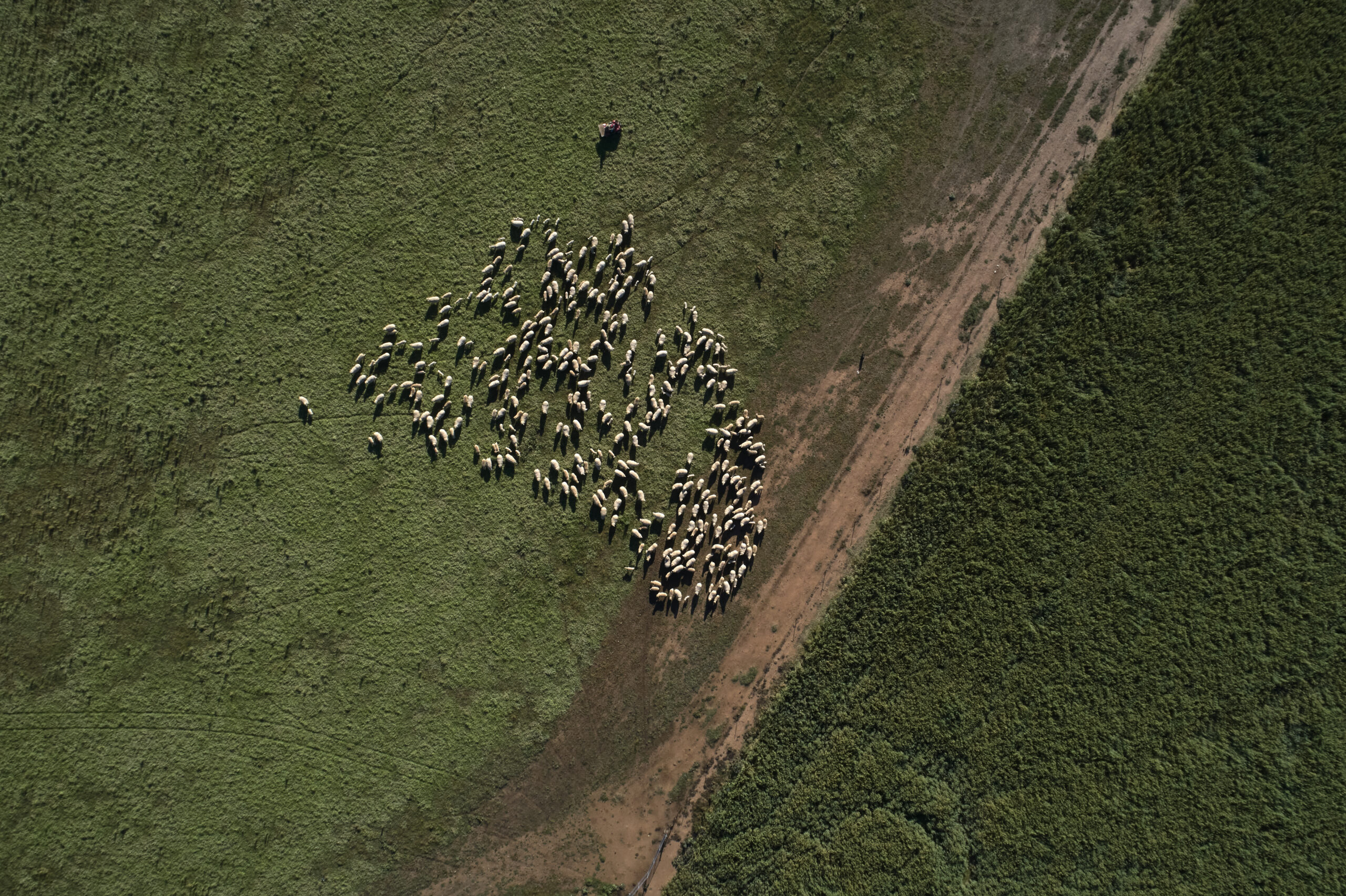
True diversification in agribusiness is not simply about spreading risk or finding new buyers for volume, but maximising value from every part of the product.
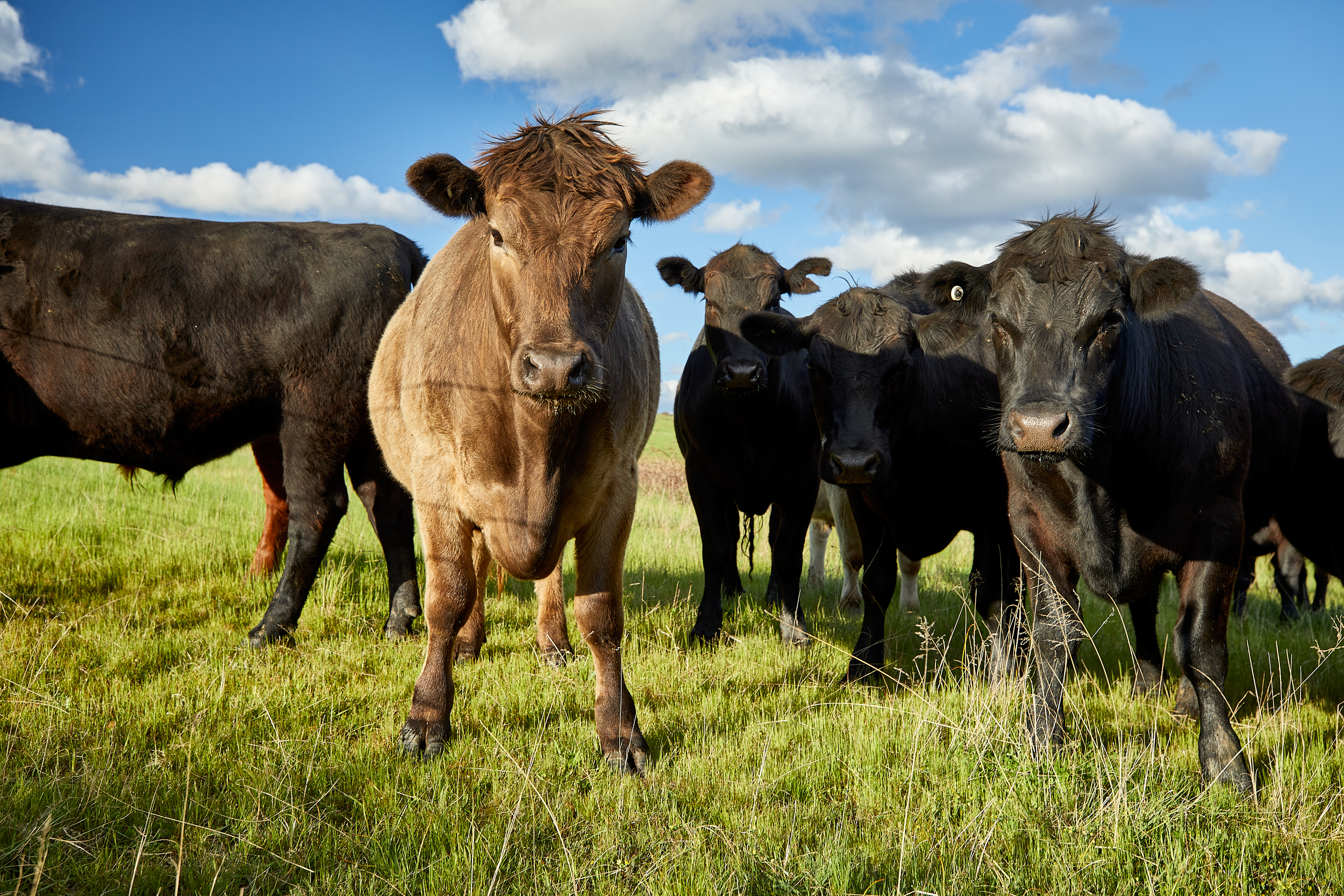
The Australian red meat industry's pivotal governance reform is led by a strategic partnership between GSA and CVA, blending industry expertise with data-driven strategy.